Both doctors and paramedics have a crucial role in emergency healthcare. However, there are some key similarities and differences between these two professions that are worth considering when choosing a career path.
Educational qualifications play a significant role in determining the differences between doctors and paramedics. Doctors undergo extensive medical training, typically completing a five to six-year medical degree approved by the General Medical Council (GMC). After graduation, they must complete a two-year general training foundation program before specializing in a specific area of medicine. In contrast, paramedics have several pathways to enter the profession. They can either obtain a Bachelor of Science in paramedic science or paramedicine, learn on the job through a degree apprenticeship program, or pursue a Master of Science degree in paramedicine if they have a background in allied health professions or nursing. Paramedic training usually takes around four years to complete, and courses approved by the Health & Care Professions Council (HCPC) often include both theoretical instruction and practical placements in healthcare settings.
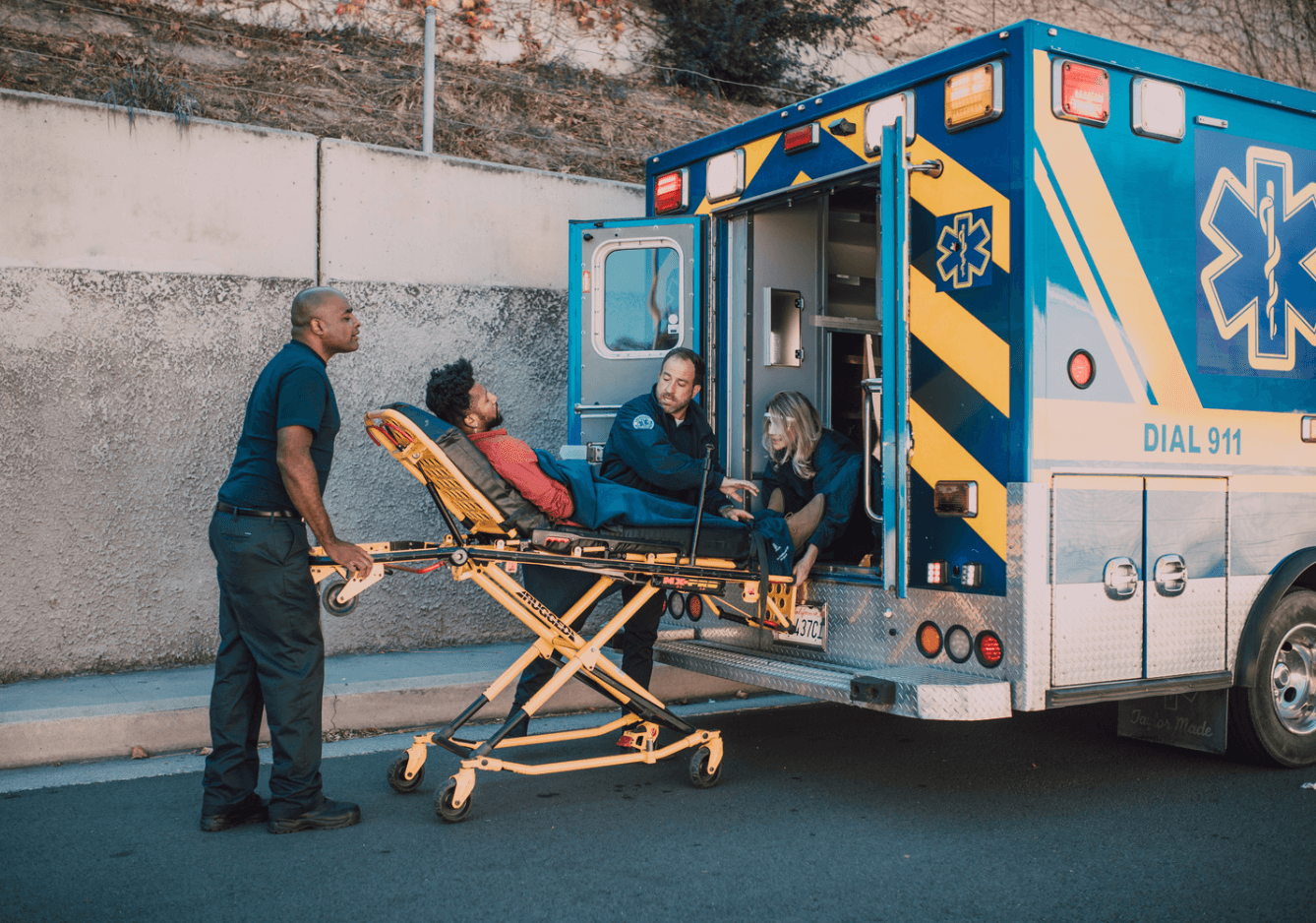
In terms of their roles and responsibilities, paramedics primarily provide emergency medical care to patients before they reach a hospital. They are trained to handle a variety of medical emergencies, from administering CPR and controlling bleeding to managing trauma cases. Paramedics often work in ambulance crews, responding to emergency calls and providing on-the-spot medical treatment to patients in need. On the other hand, doctors diagnose, manage, and treat a wide range of diseases and injuries in various healthcare settings such as hospitals, clinics, and private practices. They order tests, prescribe medications, and may refer patients to specialists for further care. In emergency departments, doctors assess and treat patients with acute illnesses, injuries, or medical emergencies, often working closely with other healthcare professionals to provide comprehensive care.
While both doctors and paramedics play critical roles in emergency healthcare, they have distinct areas of expertise and focus. Doctors are trained to provide comprehensive medical care, from diagnosing complex medical conditions to managing chronic diseases, while paramedics are experts in providing immediate emergency medical treatment in high-pressure situations. Both professions require strong communication skills, quick decision-making abilities, and a commitment to patient care. However, the specific responsibilities and scope of practice for doctors and paramedics may vary based on their training and qualifications.
In conclusion, the distinction between paramedics and doctors is important to consider when choosing a career in emergency healthcare. While both professions are essential in providing medical care to patients in need, they have different educational requirements, roles, and responsibilities. By understanding the differences and similarities between these two professions, individuals can make an informed decision about which career path best aligns with their interests and goals in the field of healthcare.